
A probiotic supplement for bloating only works as well as the habits around it. Taking one pill a day helps, but your daily routine plays just as big a role. Hydration, sleep, movement, and food choices all shape how well probiotics settle into your gut. Pair the right habits with the right supplement, and you give your body the best shot at lasting comfort.
Why Consistency Comes Before Everything Else?
Probiotics need time to work. They are not a quick fix. Most people need two to four weeks of steady use before they notice a real difference. Skipping days slows this process down. The good bacteria you're adding need a steady supply to settle in and multiply. This is why building a routine matters more than finding the "perfect" product.
A simple trick helps here. Pair your probiotic with something you already do daily, like brushing your teeth or making coffee. This turns a supplement into a habit instead of a chore.
Hydration Keeps Digestion Moving
Water plays a bigger role in gut health than most people think. It softens stool, supports regular bowel movements, and helps fiber do its job. Without enough water, even a good supplement to help with bloating may not work as well. Dehydration can slow digestion and make bloating worse, not better.
Try to sip water steadily through the day instead of chugging it all at once. Herbal tea and water-rich foods like cucumber and watermelon count too.
Fiber Feeds the Good Bacteria
Probiotics need fuel to thrive. This fuel comes from fiber, often called a prebiotic when it feeds gut bacteria directly. Foods that support this process include:
Oats and whole grains
Bananas and berries
Leafy greens
Beans and lentils
Garlic and onions
Adding fiber slowly is key. A sudden jump in fiber intake can actually cause more bloating at first. Small, steady increases work better than a drastic diet change.
Movement Supports Natural Digestion
Your gut responds well to movement. A short walk after meals can ease bloating and help food move through your system more smoothly. Exercise also supports a more diverse gut microbiome over time. You don't need an intense workout. Even 10 to 15 minutes of walking after eating can make a noticeable difference. Sitting for long periods, on the other hand, can slow digestion. Small breaks to stand or stretch during the day help keep things moving.
Sleep and Stress Affect Your Gut More Than You Think
Sleep and gut health are closely linked. Poor sleep can throw off the balance of bacteria in your gut, which may lead to more bloating and discomfort. Stress works the same way. High stress levels can affect digestion speed and gut sensitivity. This is often why bloating gets worse during stressful weeks, even without diet changes.
A few simple habits can help:
Aim for seven to nine hours of sleep
Keep a consistent sleep schedule
Practice deep breathing or light stretching before bed
Limit screen time in the evening
Choosing a Natural Gut Health Supplement That Fits Your Routine
Not all supplements are created equal. A natural gut health supplement made with clean, well-studied ingredients tends to work better alongside these daily habits.
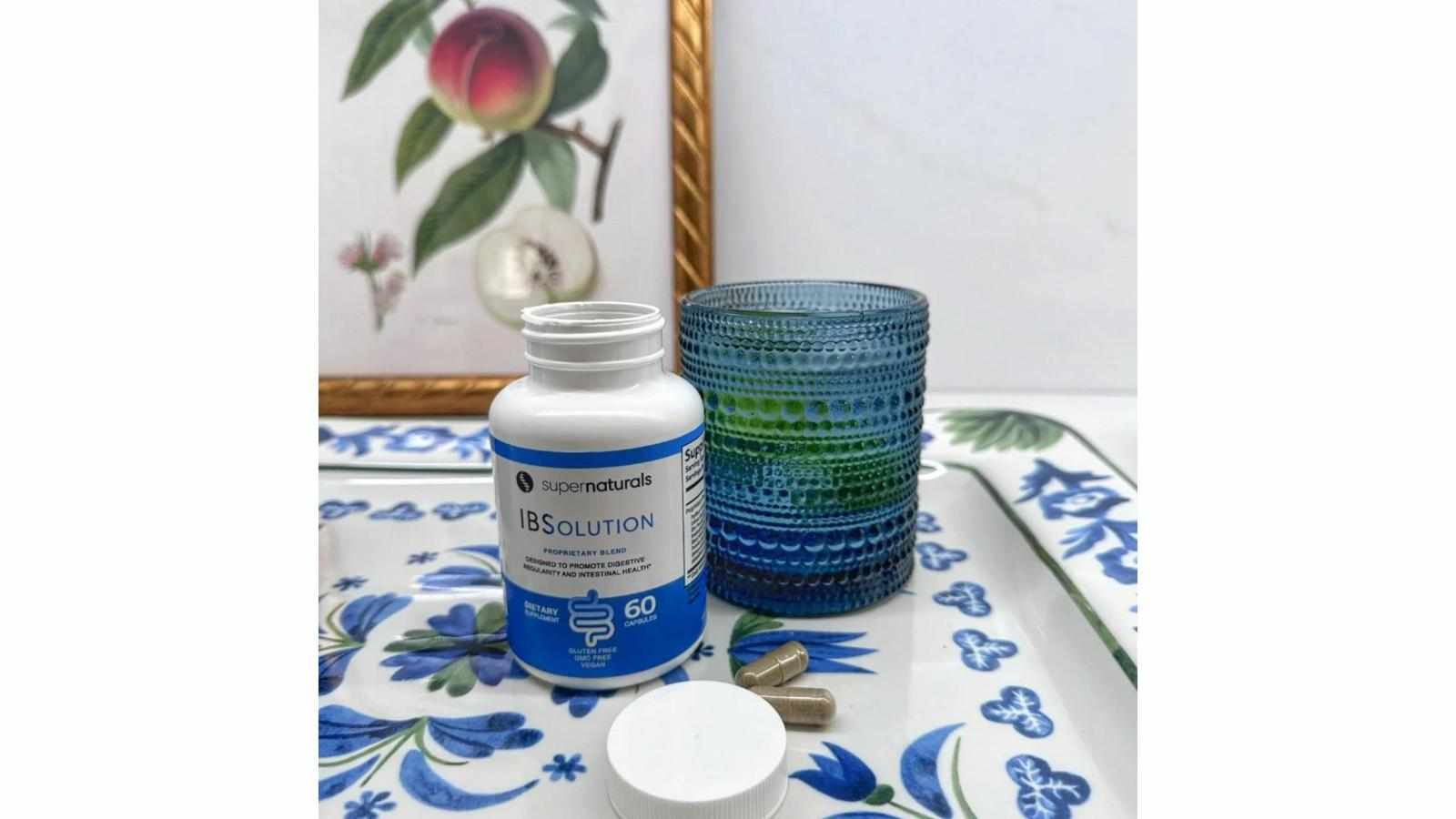
Look for products with clear ingredient lists and specific probiotic strains. A gut supplement without added fillers or unnecessary additives is often easier for your body to process. Brands such as Super Naturals Health focus on formulas built around this kind of simplicity, which pairs well with a steady daily routine.
Supporting Comfort for Sensitive Guts
Some people deal with more frequent bloating linked to sensitive digestion, including symptoms tied to irritable bowel syndrome. Diet, stress, and gut bacteria balance often play a role here.
While no supplement should be viewed as a treatment or cure for IBS, some products are designed as a supplement for IBS support. These may help support general digestive comfort when combined with steady habits like the ones covered above. Anyone with diagnosed IBS should work with a doctor to build a plan suited to their specific symptoms.
Final Thoughts
A gut health natural supplement works best as part of a bigger picture. Hydration, fiber, movement, sleep, and stress management all shape how well your gut responds. When these habits come together, they create the kind of steady support that leads to lasting comfort, not just short-term relief.
This article is for informational purposes only and is not a substitute for professional medical advice. Please talk to a doctor or qualified healthcare provider before starting any new supplement, especially if you have an existing health condition or take medication.


Write a comment ...