
Gas and bloating ruin your day. You feel tight after eating. Many skip plans to hide the pain.
Probiotic supplements for gas and bloating gain fans fast. People seek quick fixes. They want smooth digestion. But do they work? Science gives clues. Probiotics and natural aids might help you.
What Happens in Your Gut When You Feel Gas and Bloating?
Gas builds as food breaks down. Gut bacteria do the work. They create gas, too.
Too much gas swells your belly. It hurts. An unbalanced gut worsens it.
You lack good bacteria. Bad diet, stress, pills, or sickness cause this. A balanced gut digests food well. It cuts bloating.
How Do Probiotics Work in the Digestive System?
Probiotics are live good bacteria. They balance your gut. You find them in food and pills.
They aid digestion. Studies show they ease IBS and bloating. Good bacteria break down food better. This lowers gas. Many feel better after weeks on a probiotic supplement for bloating and gas.
Probiotics might cause gas at first. Your body adjusts soon. It gets easy.
What Does Research Say About Probiotics and Bloating?
Studies prove probiotics help with bloating. Some strains cut gas and swell. They live in your gut. They fix bacteria balance. Results vary by strain and dose. Not every mix works. Pick ones tested for gut issues.
What Else Can Help Your Gut Comfort?
Probiotics help alone. But add more for the best results. Foods and aids boost them. Peppermint relaxes gut muscles. It frees trapped gas.
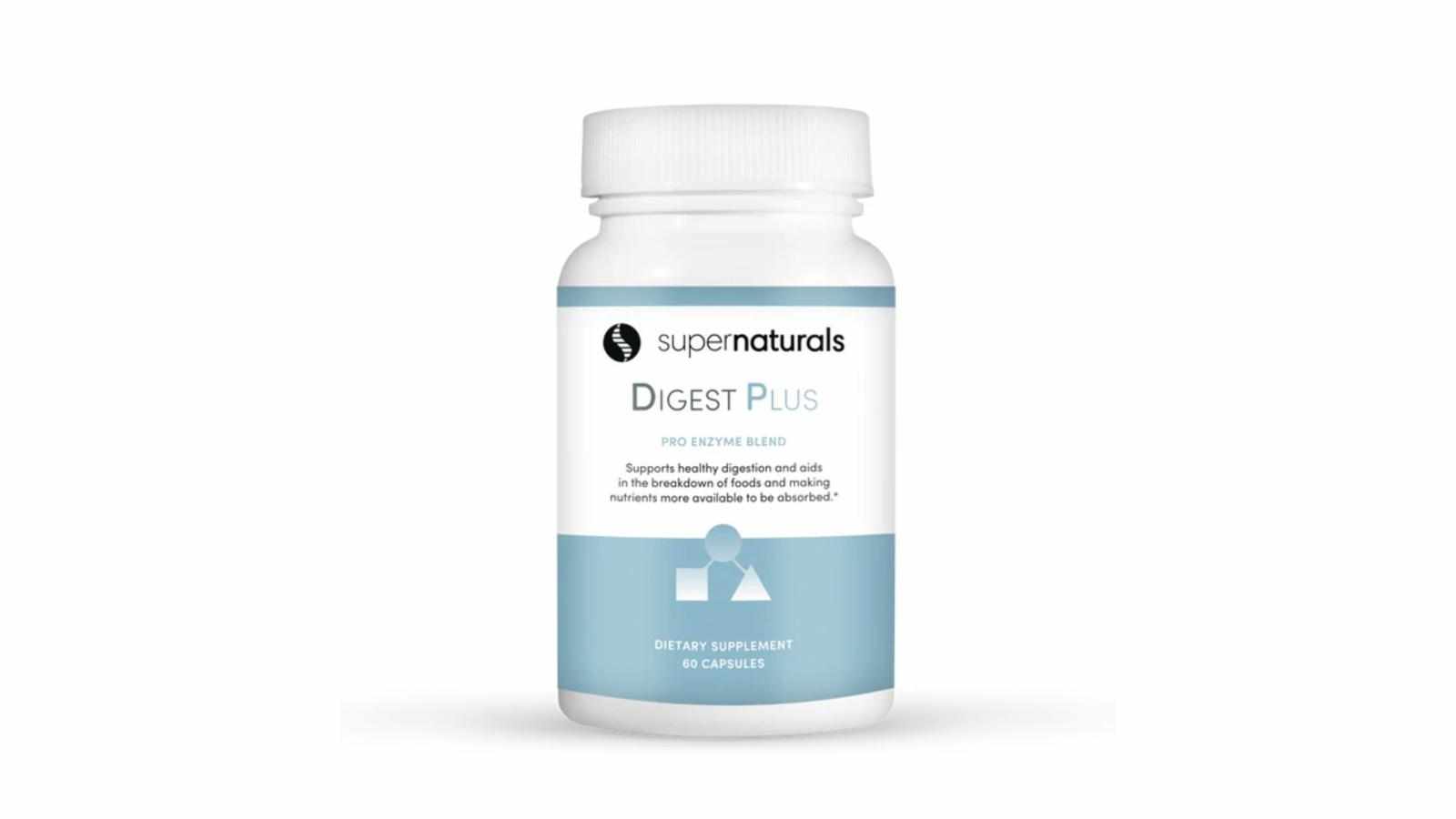
Natural supplements for digestive health go further. They add fiber and enzymes. Prebiotics feed good bacteria. Mix them for top digestion. Talk to your doc first.
Are Probiotics Good for Women’s Digestive Health?
Women deal with odd gut woes. Hormones mess with flow. They need special help.
Digestive health supplements for women target this. They use key strains. These aid gut and body health. Women report less bloat. Pair with good food. It works even better.
How to Choose a Good Probiotic Supplement
Want to try one? Follow these steps.
Pick strains proven for gas and bloat.
Seek Lactobacillus and Bifidobacterium.
Check the CFU count for live bugs.
Ask your doc for bad gut woes.
Use daily. Wins come in weeks. Stick with it.
What Do Experts Say?
Medical sources note that probiotics can be useful for some digestive issues. They may help balance the gut and reduce discomfort when used properly. But probiotics are not a cure‑all for every digestive problem.
Experts emphasize lifestyle measures as well. Eating whole foods, drinking enough water, and getting regular activity all support digestion. Some people find that natural diets rich in fiber and fermented foods help as much as supplements.
When Should You Seek Medical Advice?
If gas and bloating are severe, constant, or disrupting life, seek professional care. These symptoms can sometimes signal underlying conditions like food intolerances, IBS, or more serious digestive disorders.
A healthcare provider can offer testing and personalized care.
Final Thoughts
Probiotics may play a role in reducing gas and bloating for some people. Probiotic supplements for gas and bloating show promise in helping balance the gut microbiome. Research suggests some strains can ease symptoms over time. Supplements for bloating and gas may help those dealing with discomfort after meals, especially when paired with good dietary habits.
In addition to probiotics, a range of natural supplements for digestion may support comfort and balance. Women can consider digestive health supplements if they want targeted support. Always talk with a healthcare provider before starting new supplements. With the right approach, many people see better digestion and less bloating.


Write a comment ...